Proper maintenance and regular inspection of commercial septic systems are essential for ensuring their longevity, efficiency, and environmental safety. Unlike residential septic systems, commercial setups often handle a significantly higher volume of wastewater and may encounter more complex waste compositions due to varied business activities. This increased demand makes routine care critical to prevent costly repairs or system failures that can disrupt operations and pose health risks.
A comprehensive commercial septic maintenance program begins with understanding the specific requirements of the facility’s system. Factors such as the size of the tank, daily wastewater flow, types of waste processed, and soil conditions influence how frequently inspections and pumping should occur. Generally, professional service providers recommend inspecting commercial septic tanks at least annually to assess sludge levels, check for leaks or cracks in the tank structure, evaluate baffle integrity, and ensure proper drainage field function.
Septic Tank Inspection
During an inspection visit, technicians use specialized equipment such as cameras or electronic sensors to examine underground components without unnecessary excavation. These tools help identify blockages in pipes or damage within drain fields early on before they escalate into severe issues like backups or contamination of nearby water sources. Additionally, thorough inspections verify compliance with local regulations governing wastewater management-a learn more here crucial aspect for businesses aiming to avoid fines or legal complications.
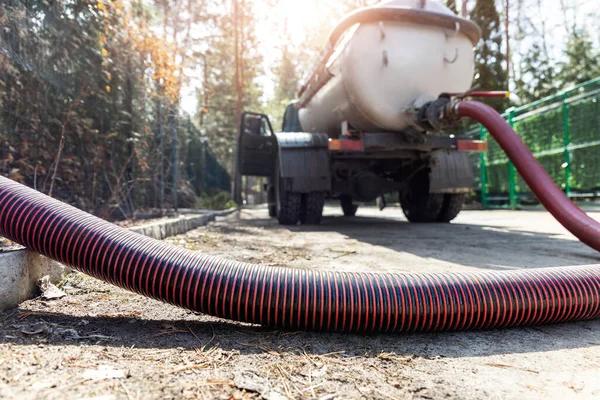
Maintenance also involves periodic pumping of accumulated solids from the tank to maintain optimal capacity. The frequency depends on usage but typically ranges from every one to three years for most commercial systems. Neglecting this step allows sludge buildup that can overflow into leach fields causing clogs that reduce absorption rates leading to surface pooling or unpleasant odors around the property.
Beyond mechanical upkeep, educating employees about best practices contributes significantly toward preserving system health. Avoiding disposal of non-biodegradable items such as plastics or chemicals down drains prevents clogging and toxic buildup inside tanks. Grease traps installed in kitchens require regular cleaning since excessive grease accumulation can severely impair system performance.
Investing in professional septic maintenance services offers peace of mind by extending system lifespan while protecting public health through environmentally responsible waste treatment solutions tailored specifically for commercial needs. Proactive monitoring minimizes unexpected downtime caused by emergency repairs allowing businesses to operate smoothly without interruption.
In conclusion, consistent inspection combined with scheduled maintenance is vital for managing commercial septic systems effectively. Engaging experienced professionals equipped with advanced diagnostic tools ensures problems are detected early and addressed promptly before escalating costs arise. Businesses benefit financially over time by avoiding major repairs while demonstrating commitment toward sustainable sanitation practices within their community infrastructure framework.
Gray Septic Solutions
Savannah, GA 31405
912-661-4089