
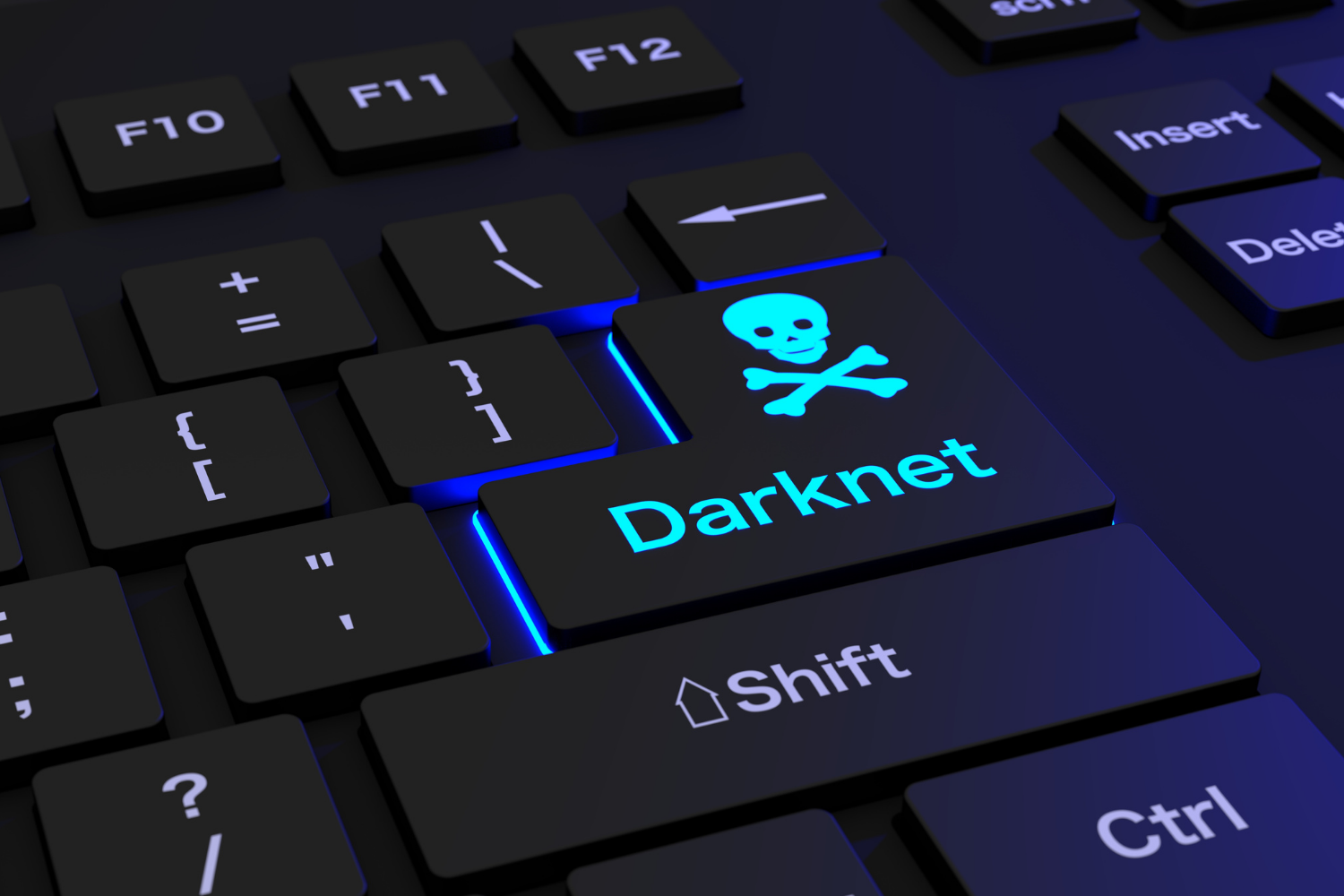
The Dark Net Army represents a complex and often misunderstood force within the digital landscape. It refers to loosely connected groups or individuals operating primarily through the dark web, engaging in activities that range from cybercrime to information warfare. Understanding their digital influence requires examining both their operational methods and the broader implications of their actions on cybersecurity, online discourse, and global politics.
At its core, the Dark Net Army leverages anonymity tools such as Tor networks and encrypted communication channels to evade detection by law enforcement agencies. This anonymity allows them to coordinate large-scale campaigns without revealing identities or locations. Their activities often include spreading disinformation, conducting hacking operations, launching distributed denial-of-service (DDoS) attacks, and manipulating social media platforms. These tactics enable them to disrupt organizations, influence public opinion, or steal sensitive data for financial gain or ideological purposes.
One significant aspect of their influence lies in information manipulation. By creating fake profiles and automated bots on various social media sites, members of these groups can amplify certain narratives while suppressing others. This artificial amplification distorts public perception by making fringe ideas appear mainstream or by drowning out legitimate voices with misinformation. Such efforts undermine trust in traditional news sources and democratic institutions by fostering confusion among users about what is true or false.
Cybersecurity professionals face considerable challenges when countering threats posed by the Dark Net darknet army due to its decentralized nature. Unlike conventional criminal organizations with hierarchical structures, these groups operate through fluid networks that adapt quickly to disruptions. When one node is taken down or exposed, others continue functioning independently elsewhere across the globe. This resilience complicates efforts aimed at dismantling entire operations and necessitates ongoing international cooperation between governments and private sectors.
Moreover, the economic impact linked to these actors cannot be overlooked. Cyber thefts facilitated via dark web marketplaces contribute billions annually in losses worldwide while fueling underground economies for illicit goods like drugs or weapons. The profits generated also finance further technological advancements used against targets ranging from corporations to critical infrastructure systems.
Understanding this phenomenon requires more than technical knowledge; it demands awareness of geopolitical motivations behind some campaigns originating from state-sponsored entities masquerading under similar guises as independent hackers on the dark net stage. These blurred lines between activism, espionage, crime, and propaganda make attribution difficult but essential for crafting effective responses.