
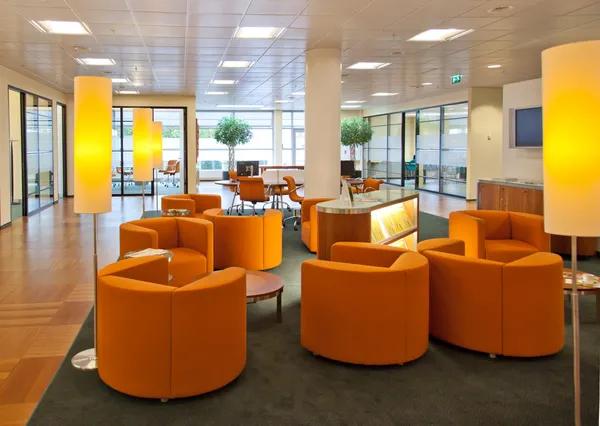
Office managers play a crucial role in creating and maintaining an efficient workspace, and one important aspect of this responsibility is managing office furniture. When considering used office furniture, there are several factors that office managers should be aware of to make informed decisions that benefit their organization both financially and operationally. Used furniture can offer significant cost savings compared to new pieces, making it an attractive option for businesses operating within tight budgets or those looking to furnish temporary workspaces without compromising functionality.
One key consideration is the quality and condition of the used furniture. Office managers should carefully inspect items for wear and tear, structural integrity, and overall cleanliness. learn more about it here‘s essential to ensure chairs provide adequate support, desks have no major damage, and storage units operate smoothly. Even if the price is appealing, investing in poorly maintained furniture can lead to discomfort among employees or additional costs down the line due to repairs or replacements.
Another factor involves understanding the style and design compatibility with existing office decor. While used furniture offers affordability, mismatched or outdated pieces might negatively impact workplace aesthetics or brand image. Office managers need to balance budget constraints with maintaining a cohesive look that supports productivity and professionalism.
Sustainability is increasingly important in today’s business environment. Purchasing used office furniture aligns well with eco-friendly practices by reducing waste and minimizing demand for new manufacturing resources. This approach not only benefits the environment but also enhances corporate social responsibility efforts that many companies prioritize.
Office managers should also consider logistics such as delivery times, installation requirements, warranty availability, and return policies when sourcing used furniture from suppliers or resellers. Unlike new products which often come with guarantees from manufacturers, warranties on secondhand items may be limited or nonexistent; therefore clarity on these terms before purchase helps avoid unexpected complications.
Additionally, evaluating ergonomic features remains critical regardless of whether furnishings are new or pre-owned. Ergonomically designed chairs and adjustable desks contribute significantly to employee health by preventing strain injuries associated with prolonged sitting or improper posture.
Finally, transparency about previous usage history can influence purchasing decisions since high-traffic environments might accelerate wear faster than low-use settings like executive offices. By gathering detailed information about prior use conditions from sellers whenever possible, office managers gain better insight into durability expectations.


